
Exploring Gambling-Like Mechanics in Non-Gambling Apps -147168388
Exploring Gambling-Like Mechanics in Non-Gambling Apps
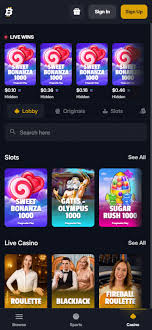
In recent years, the lines between gambling and casual gaming have blurred significantly, leading to a rise in applications that incorporate gambling-like mechanics to boost user engagement. These mechanics, often referred to as “gameification,” are present in numerous non-gambling apps ranging from social media platforms to fitness trackers. By examining the psychological principles behind these mechanics, we can gain valuable insights into how they enhance user retention and monetize user interactions. A fascinating example of this phenomenon can be explored through Gambling-Like Mechanics in Non-Gambling Apps slot games on Bitfortune, which captures the essence of reward systems traditionally found in both gambling and gaming.
The Psychology Behind Gambling-Like Mechanics
The effectiveness of gambling-like mechanics lies primarily in their ability to exploit human psychology. Techniques such as variable rewards, progress tracking, and instant feedback are designed to create a sense of excitement and anticipation among users. This section delves into some of the key psychological principles at play:
Variable Rewards
One of the most compelling aspects of gambling is the unpredictability associated with winning. This concept, known as variable reinforcement, suggests that individuals are more motivated to engage in behaviors when the rewards are sporadic rather than predictable. Non-gambling apps utilize this principle by implementing reward systems where users occasionally receive bonuses or prizes, such as points, badges, or in-app currency. This unpredictability keeps users coming back for more, hoping for that big win.
Progress Tracking and Goal Setting
Another common mechanic seen in both gambling and non-gambling applications is progress tracking. This involves visually representing a user’s accomplishments through levels, experience points, or completion bars. By setting clear goals and milestones, these apps effectively motivate users to continue engaging with the platform. Users are more likely to invest more time and effort when they can see tangible evidence of their progress, similar to how gamblers strive to increase their chip count or achieve a winning streak.
Instant Feedback
Providing users with instant feedback is crucial for reinforcing desired behaviors. In gambling scenarios, players receive immediate results from their bets, which can trigger a dopamine response in the brain, eliciting feelings of pleasure and reward. Non-gambling apps mimic this sensation by offering instant notifications for achievements or rewards, fostering a positive feedback loop that encourages users to return. Whether it’s receiving a notification about completing a challenge or unlocking a new feature, instant feedback is a powerful motivator.
Examples of Non-Gambling Apps Utilizing Gambling-Like Mechanics
Various non-gambling applications have successfully incorporated gambling-like mechanics to elevate user experience and retention. Here are a few noteworthy examples:
Fitness Apps
Fitness applications, like Strava and MyFitnessPal, leverage game-like elements to encourage users to stay active. They often include challenge modes, where users can compete against friends or other app users. For instance, some fitness apps feature weekly or monthly challenges, rewarding users with achievement badges or points. These rewards act similarly to prizes in gambling, providing motivation and facilitating a competitive spirit among users.

Mobile Games
Many mobile games, particularly free-to-play titles, incorporate mechanics akin to gambling to entice players into spending. Games often use loot boxes or mystery rewards that allow players to spend in-game currency or real money for a chance to acquire rare characters, skins, or upgrades. This system offers excitement and the thrill of potentially receiving something valuable, mirroring the experience of placing a bet and receiving payouts in gambling.
Social Media Platforms
Platforms like Instagram and TikTok employ gambling-like mechanics to sustain engagement. Features such as “likes,” reactions, and follower counts serve as real-time feedback on user-generated content, creating an environment where users are incentivized to post regularly in hopes of accumulating more validation. Additionally, social media algorithms often reward content with higher engagement by providing increased visibility, further encouraging users to participate and compete for attention.
The Ethical Dilemma: Are These Mechanics Manipulative?
While gambling-like mechanics can enhance user engagement and provide entertainment, they pose ethical questions about manipulation and addiction. There is growing concern that these features may exploit vulnerable individuals, particularly in contexts where people may not recognize the difference between casual gaming and addictive behaviors typically associated with gambling. It’s crucial for app developers to strike a balance between engagement and ethical responsibility to ensure that user welfare isn’t compromised by monetization strategies.
Conclusion
The incorporation of gambling-like mechanics in non-gambling apps represents a fascinating intersection of psychology, technology, and user engagement. As we have explored, these mechanics—rooted in principles like variable rewards, progress tracking, and instant feedback—can significantly boost user participation and satisfaction. However, it is essential to recognize the ethical implications of these strategies, as they can lead to addictive behaviors in some cases. As the landscape of app development evolves, a delicate balance must be struck between creating engaging experiences and upholding the well-being of users. Ultimately, understanding the mechanisms at play will empower consumers and developers alike to navigate this dynamic space responsibly.